Data Broker Radaris Loses Domains in Privacy Fight
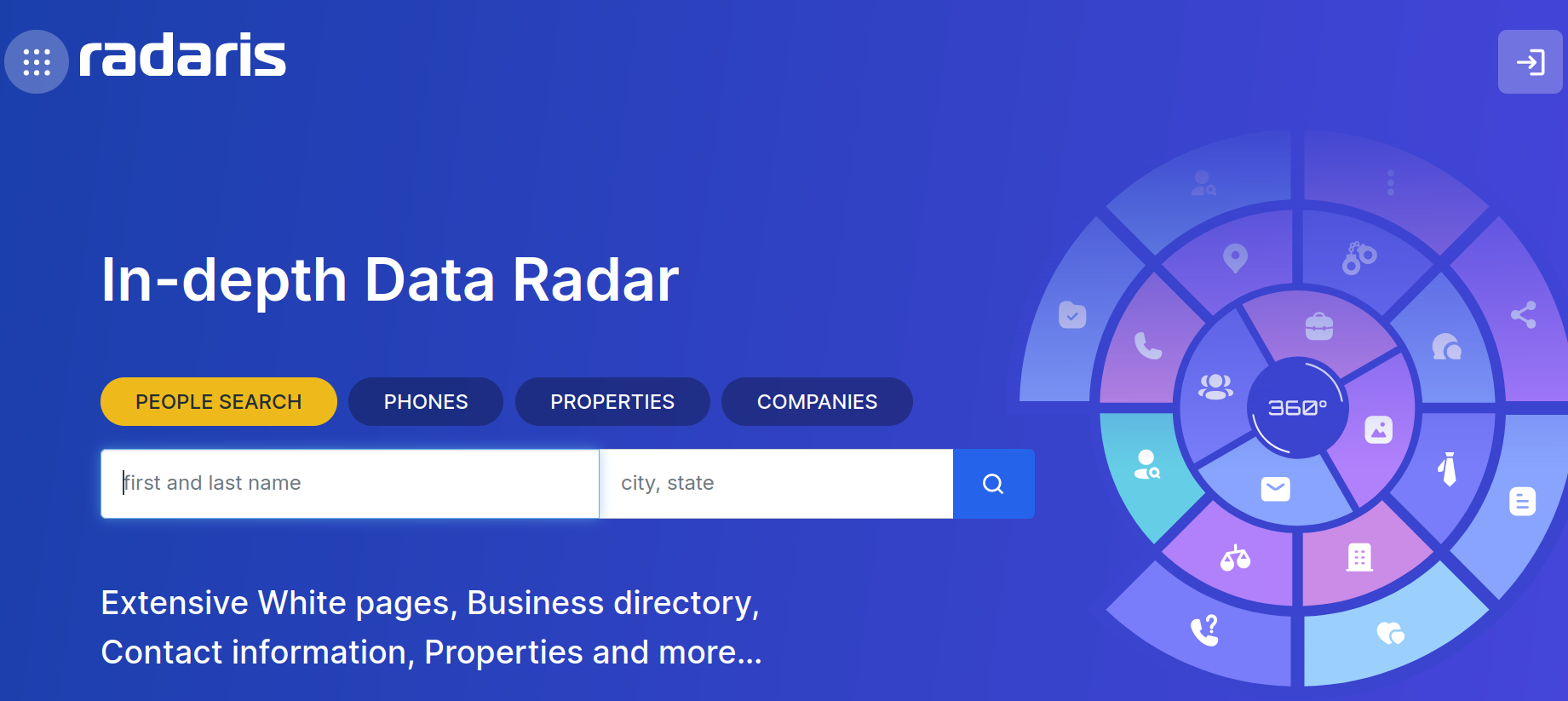
In the shadowy world of the internet, where personal data is often treated as a commodity rather than a right, a significant legal blow has just been delivered to one of the most persistent players in the field. Radaris, a company that has long built its business model on aggregating and selling vast troves of personal information, has found itself on the wrong side of a New Jersey court. This isn't just another privacy dispute; it is a decisive victory for the principle that state law enforcement officials should not be publicly exposed on commercial data broker platforms without their consent.
The core of the controversy lies in New Jersey's specific privacy statutes, which are designed to protect the anonymity of public servants from the kind of invasive scrutiny that can jeopardize their safety and the integrity of law enforcement. Despite these clear legal boundaries, Radaris has historically operated with a reputation for stonewalling removal requests. For years, the company's legal team employed a strategy of prevarication, delaying and deflecting demands to scrub personal data from their extensive online empire. This approach, however, reached a breaking point when the judge intervened, ordering the transfer of control over radaris.com and more than a dozen related domains.
What makes this ruling particularly consequential is the broader implication for the data brokerage industry as a whole. The order to seize these domains suggests that the era of immunity for data brokers who refuse to comply with state-specific privacy laws may be over. It serves as a stark warning to other aggregators that the courts are willing to take a hardline stance against entities that prioritize profit over the legal rights of the individuals they profile. When a judge seizes assets to enforce a privacy mandate, it signals a shift in the judicial appetite for tolerating corporate obstructionism in the digital surveillance space.
The human cost of such negligence cannot be understated. For law enforcement officers, the ability to operate without fear of being doxxed by commercial vendors is essential for maintaining operational security and personal safety. By publishing the personal details of these officials on searchable platforms, companies like Radaris were not merely violating a statute; they were potentially endangering lives and undermining public trust in the justice system. This case underscores the reality that behind every data point lies a human being whose privacy and safety are at stake, yet who often have little recourse against a well-funded corporation.
This victory for privacy advocates marks a pivotal moment in the ongoing struggle to regulate the dark art of people searching. It demonstrates that legal frameworks, even when previously ignored, can be enforced with sufficient will and judicial authority. The seizure of Radaris's domains is not just a punishment for past failures; it is a foundational step toward dismantling the infrastructure that allows commercial entities to monetize the private lives of public servants. As the dust settles on this case, it leaves the industry facing a new reality where compliance is no longer optional but a mandatory requirement for survival.
On Bluesky? Meet HomeSky.
Follower analytics, a growth toolkit, scheduling and AI posting — built for Bluesky. Connect your account and use everything free for 60 days.
Try HomeSky free →