Data Broker Radaris Loses Domains in Privacy Fight
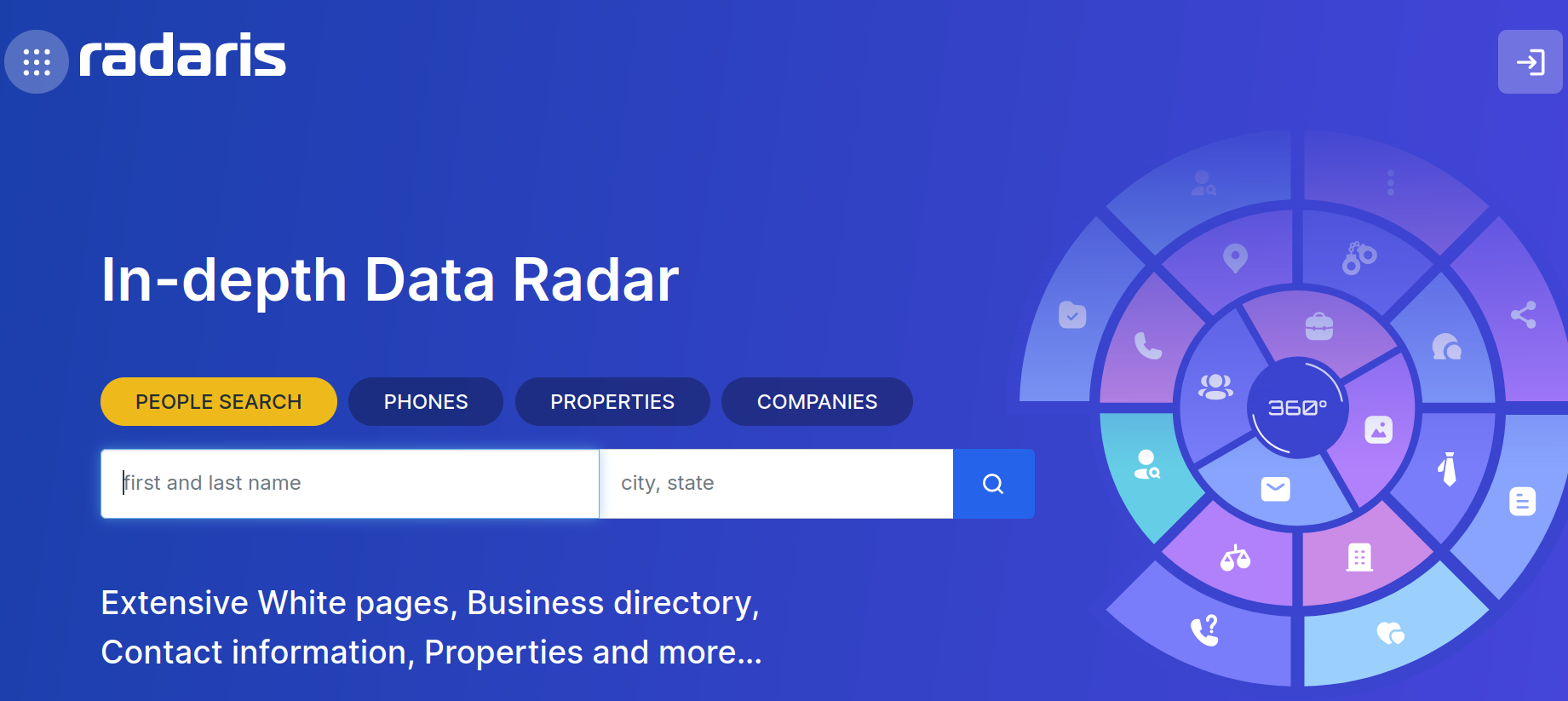
In the shadowy ecosystem of modern surveillance, there is an unwritten rule that consumer data brokers like Radaris often treat the public with a distinct lack of empathy. For years, these aggregators have built empires by harvesting personal details, frequently ignoring the pleas of individuals who wish to remain anonymous. This persistent pattern of stonewalling finally reached a breaking point when the company found itself on the wrong side of a New Jersey privacy statute designed specifically to shield law enforcement officials from such digital exposure. The legal clash that followed was not merely a procedural dispute; it was a definitive statement that the era of unchecked data hoarding was drawing to a close.
The core of the conflict lies in the specific vulnerability of public records. When a judge ordered the transfer of Radaris.com and more than a dozen associated domains, it was a direct consequence of the company's refusal to comply with lawful removal requests. The narrative here is one of repeated prevarication; Radaris's legal team appeared less interested in the merits of the case and more focused on delaying the inevitable. This refusal to act on state law enforcement data wasn't just a legal misstep; it was a strategic blunder that exposed the fragility of business models built entirely on the assumption that no one will ever ask for their data to go away.
What makes this situation particularly significant is the precedent it sets for the broader industry. If Radaris, a major player with a vast empire of people-search services, can be compelled to surrender its digital assets, then the entire architecture of data brokering becomes subject to strict regulatory oversight. The New Jersey law acts as a sharp instrument, capable of severing the connection between private entities and public records when those entities fail to respect the privacy of the subjects involved. It forces the question of whether the current regulatory framework is actually strong enough to protect citizens or if it requires even more robust enforcement mechanisms.
The implications extend far beyond the loss of a few domain names. For the average citizen, this represents a potential shift in the balance of power. It suggests that the days of being able to hide one's digital footprint from aggressive aggregators are numbered, provided the laws are enforced correctly. The transfer of these domains serves as a stark warning to all operators in this space: the era of ignoring removal requests is over. The judiciary has stepped in to ensure that the law holds weight, signaling that privacy is not a commodity to be bartered but a right to be protected.
Ultimately, this legal victory for privacy advocates marks a turning point in the ongoing battle over personal information. While data brokers will undoubtedly find new ways to aggregate information, the Radaris case demonstrates that the legal system is willing to intervene when necessary. The loss of these domains is a small price to pay for the restoration of trust in the digital environment. It reminds us that in the game of surveillance, the rules are finally being rewritten, and this time, the players are on the side of the people.
On Bluesky? Meet HomeSky.
Follower analytics, a growth toolkit, scheduling and AI posting — built for Bluesky. Connect your account and use everything free for 60 days.
Try HomeSky free →