Every Composition Rule Ranked, Plus the One to Skip Entirely
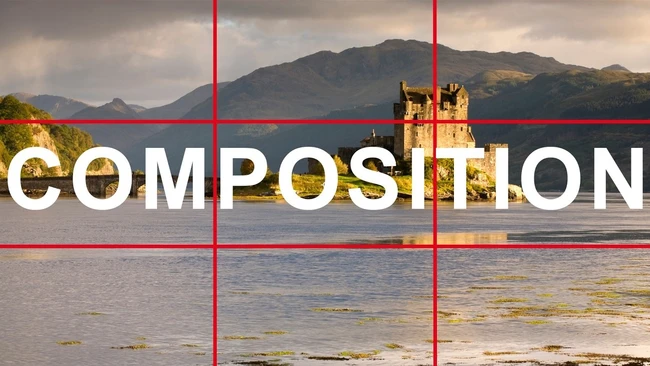
For decades, we have been told that photography is a science of geometry, a rigid pursuit where the placement of a subject determines the difference between a forgettable snapshot and a gallery-worthy masterpiece. The Rule of Thirds, that grid dividing the frame into nine equal segments, became the holy grail for beginners, a simple heuristic promising immediate order in the chaos of the world. We learn it early, we memorize it, and we apply it with the fervor of religious doctrine, cutting our images along invisible lines just to feel safe in our compositions. But what happens when the scene demands something that defies these neat boxes?
The reality of visual composition is far messier than any textbook can suggest. While the Rule of Thirds is a useful starting point, it is hardly the be-all and end-all of framing. Other guidelines like leading lines, symmetry, and the golden ratio each offer their own unique promise of balance, yet they often clash with the actual emotional weight of a moment. A photographer spends years collecting these tools, treating them as a Swiss Army knife of sorts, reaching for the right blade for every situation. Yet, this accumulation of rules often leads to a paradox: the more we adhere to them, the more mechanical our images become, losing the very spontaneity that makes photography compelling.
There is a specific rule, however, that deserves a different treatment entirely. It is a concept often touted as essential for creating depth and perspective, yet in practice, it frequently robs an image of its power. This is the rule of the horizon, specifically the mandate that the horizon must always sit at a specific height to maintain "proper" perspective. In the rush to apply this guideline, photographers often force a sky or ground to occupy a predetermined portion of the frame, regardless of whether the subject is a towering mountain range or a humble flower. This rigid adherence to vertical balance can strip a photograph of its natural tension and emotional resonance, forcing a square peg into a round hole.
The true master of composition understands that rules are merely suggestions, not laws. They know when to break the grid to emphasize the isolation of a subject or when to ignore the golden ratio to create a sense of overwhelming scale. Great photography is not about following a checklist; it is about seeing the world with fresh eyes and making decisions that serve the narrative of the image. Sometimes the most powerful composition is one that looks chaotic to the untrained eye, a frame that refuses to settle into a predictable pattern because the moment itself was too unpredictable.
Ultimately, the goal is not to master every rule but to internalize them enough to discard them when necessary. We must move beyond the anxiety of getting the geometry right and focus on the feeling of getting it right. By questioning the authority of the most popular guidelines and daring to skip the ones that feel restrictive, we open up a new space for creativity. It is in those moments of rule-breaking that we find the soul of the photograph, proving that the best frame is often the one that dares to be imperfect.
On Bluesky? Meet HomeSky.
Follower analytics, a growth toolkit, scheduling and AI posting — built for Bluesky. Connect your account and use everything free for 60 days.
Try HomeSky free →