Learning another language may be one of the best ways to keep your brain healthy
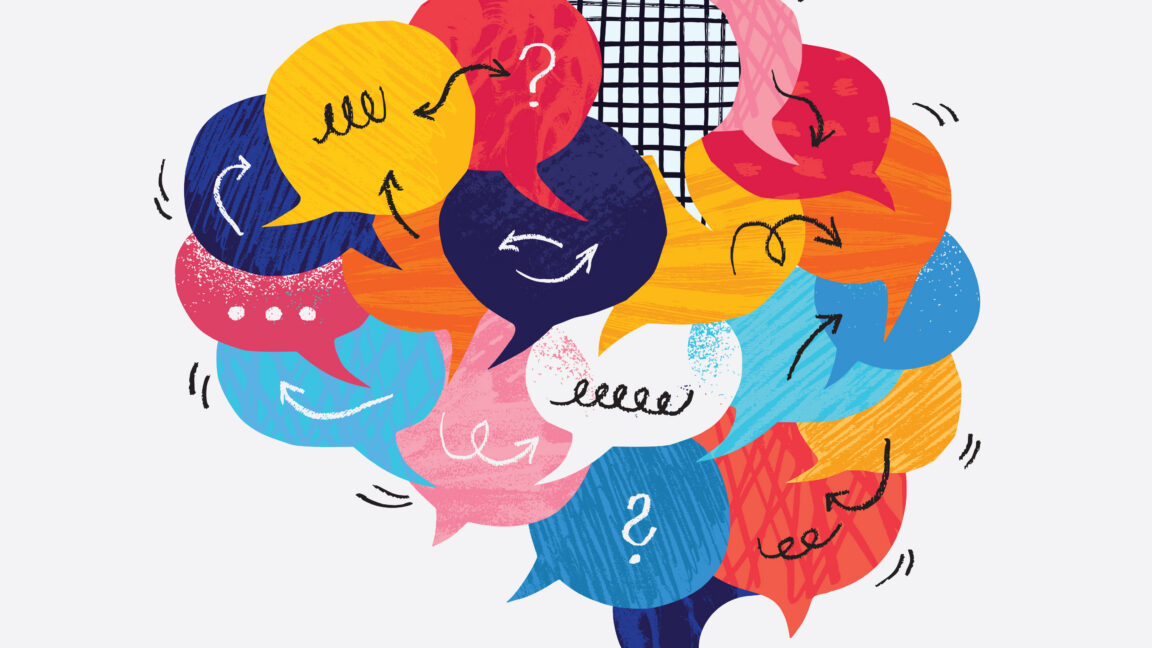
Consider the bustling marketplace of the human mind, where every thought is a transaction and every memory a receipt. Now, imagine a traveler navigating this complex economy with two distinct currencies. For decades, the scientific community viewed language switching as a mere functional necessity, a clumsy workaround for monolingual efficiency. Yet, recent investigations into the neural architecture of bilingual individuals reveal a far more sophisticated reality: the act of maintaining two languages serves as a rigorous, lifelong workout for the brain's executive control systems.
The mechanism behind this cognitive resilience lies in the constant, subliminal competition between linguistic systems. Every time a bilingual person chooses to speak French while suppressing English, or thinks in Japanese while navigating a Spanish-speaking environment, they are engaging a unique neural circuitry known as the anterior cingulate cortex. This region of the brain acts as a conflict monitor, constantly weighing options and inhibiting irrelevant stimuli to ensure the correct language is selected. It is a form of mental calisthenics that strengthens the brain's ability to filter noise and focus on relevant information, a skill that translates directly to other complex tasks requiring concentration and decision-making.
This biological advantage becomes particularly poignant when considering the inevitable decline associated with aging. In populations where monolingualism is the norm, the onset of dementia and Alzheimer's often arrives with a specific, terrifying predictability in the mid-to-late sixties. However, studies tracking bilingual seniors have consistently shown a delay in the clinical symptoms of these neurodegenerative diseases by an average of four to five years. This isn't merely a postponement; it represents a significant extension of the period where an individual can maintain independence, engage with their community, and participate in the cultural fabric of their lives before cognitive faculties begin to falter.
The implications of this discovery extend far beyond the individual, challenging the very way we view the utility of education and cultural preservation. If the simple act of acquiring a second language can fundamentally alter the trajectory of cognitive aging, then language learning should be viewed not as an optional extracurricular activity, but as a critical component of public health strategy. We are essentially looking at a low-cost, high-reward intervention that leverages the natural plasticity of the human brain to build a fortress against one of the most feared conditions of old age.
Yet, we must remain grounded in the nuance of the data. The benefits are not a magical shield that renders one immune to the ravages of time, nor do they apply equally to everyone regardless of how they acquire the second language. The cognitive reserve built by bilingualism seems to depend on the depth of proficiency and the frequency of use. A person who learns a few phrases for travel will reap different neural rewards than a fluent speaker who navigates daily life in two tongues. The brain responds to the struggle and the maintenance, not just the initial acquisition.
Ultimately, the story of the bilingual brain is a testament to the adaptability of human intelligence. It suggests that our minds are not static entities that simply wear down with age, but dynamic systems that can be strengthened through sustained engagement and challenge. By embracing the complexity of another language, we are not just expanding our vocabulary; we are investing in the longevity of our own cognition, ensuring that the clarity of thought remains a companion throughout our lives.
On Bluesky? Meet HomeSky.
Follower analytics, a growth toolkit, scheduling and AI posting — built for Bluesky. Connect your account and use everything free for 60 days.
Try HomeSky free →