Microplastics in Soil a ‘Trojan Horse’ for Toxins
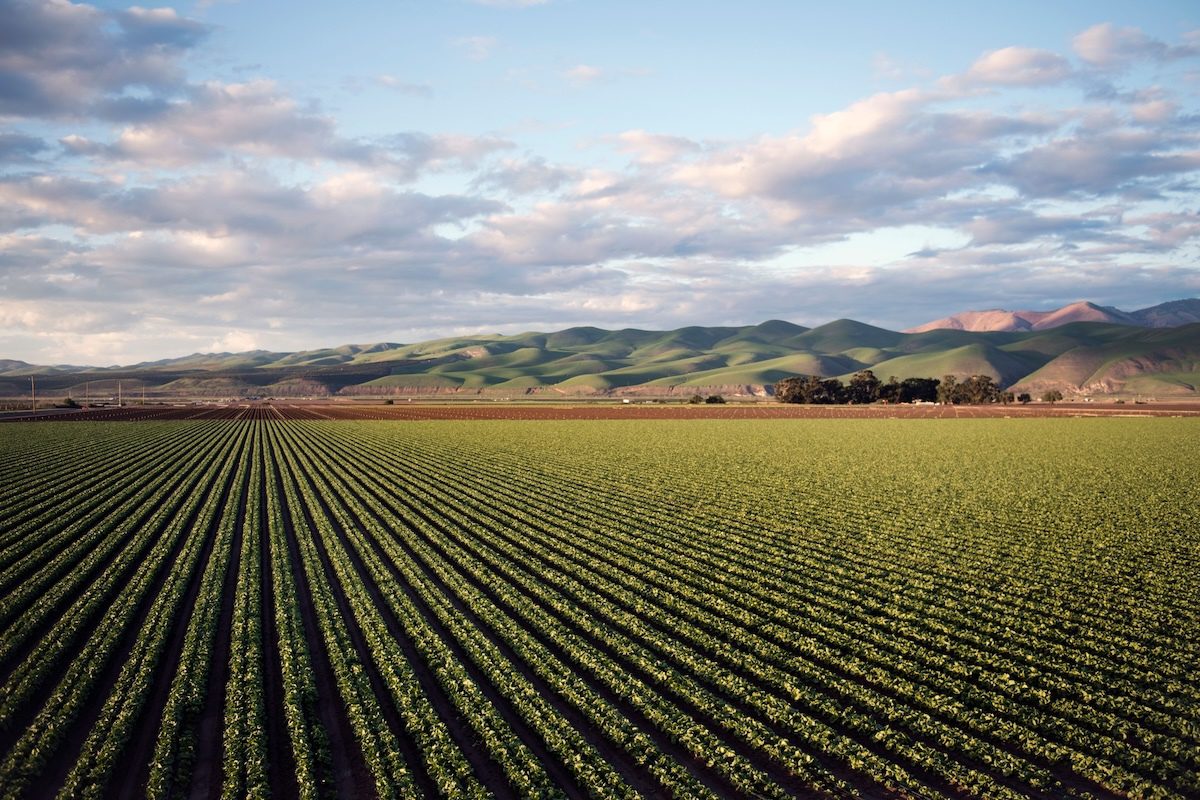
Consider the soil beneath our feet not merely as a foundation for plant life, but as a porous, living filter that is increasingly being hijacked by a silent invasion. For decades, we have treated microplastics as a problem confined to the ocean's depths, where they threaten marine mammals and clog filtration systems. However, a new five-year multinational research initiative has shattered this geographical boundary, revealing that these microscopic particles are migrating deep into terrestrial ecosystems. In doing so, they are transforming the ground into a Trojan horse, a deceptive vessel that carries a payload of toxins, pesticides, and invasive bacteria directly into the roots of our crops and the soil microbiome.
The mechanism of this environmental insidery is both elegant and terrifying in its efficiency. Microplastics are not just inert debris; their surfaces are hydrophobic, meaning they repel water but attract and bind tightly with organic contaminants. As agricultural runoff washes over fields, or as wastewater infiltrates the earth, these plastic particles act as sponges, soaking up persistent organic pollutants and heavy metals from the surrounding matrix. When these plastics enter the soil, they do not simply sit there; they facilitate the transport of these concentrated toxins deeper than they would naturally travel, bypassing the soil's natural buffering capacity and delivering a potent mix of chemical warfare to the very organisms that sustain the food web.
The implications for agriculture and human health are profound and potentially irreversible. Farmers rely on soil health not only for yield but for the stability of their ecosystems, yet they are unwittingly participating in a cycle of contamination. When these microplastic-laden toxins are taken up by plants, the pollutants can accumulate in edible crops, entering the human food chain in ways we have barely begun to trace. Furthermore, the introduction of plastic-associated bacteria alters the native microbial communities essential for nutrient cycling, potentially disrupting the delicate balance that allows plants to thrive. We are not just poisoning the soil; we are poisoning the machinery that turns that soil into food.
This discovery forces a reevaluation of how we approach plastic waste management globally. The conventional wisdom of recycling or incineration ignores the reality that even the tiniest fragments find their way into the terrestrial biosphere. It suggests that the solution lies not in managing the plastic after it is discarded, but in fundamentally redesigning the materials themselves. If the primary danger of microplastics is their ability to vector other toxins, then perhaps the development of biodegradable alternatives that do not persist in the environment is the only viable path forward. The Trojan horse analogy holds true only if we can disarm the horse before it is released; once the plastic is in the ground, the damage is already sealed.
As we look toward a future where climate change exacerbates soil erosion and runoff, the risk of this Trojan horse scenario increases. More frequent heavy rains and shifting weather patterns will likely accelerate the movement of microplastics through soil profiles, potentially mobilizing toxins during critical growing seasons. The research serves as a stark warning that our planetary systems are interconnected in ways we often choose to ignore, and that the ocean is not a separate bucket to be cleaned of plastic, but part of a single, fragile biosphere. Until we can stop the flow of microplastics at the source, the earth beneath our feet will continue to serve as a carrier for the very poisons we seek to eliminate.
On Bluesky? Meet HomeSky.
Follower analytics, a growth toolkit, scheduling and AI posting — built for Bluesky. Connect your account and use everything free for 60 days.
Try HomeSky free →