The warmest summer on record: 2026 hit a scorching new high in the US
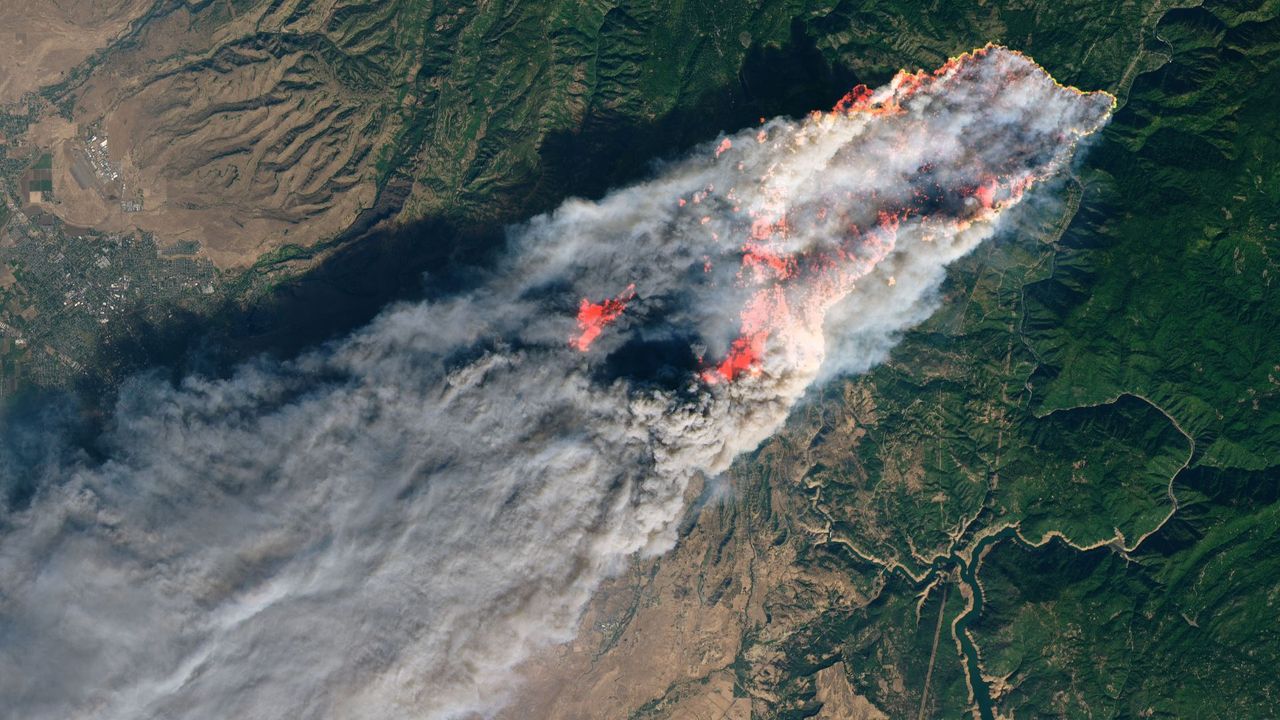
The year 2026 has settled into history books not merely as another calendar entry, but as a stark, searing marker on the climate timeline. For the first time in recorded history, the United States experienced a summer that defied the statistical boundaries we thought were permanent, pushing global temperature averages to an unprecedented zenith. This was not a marginal blip in the weather data, but a definitive shift, where the baseline for "normal" summer heat was effectively rewritten under the weight of atmospheric anomalies.
The mechanism behind this scorching new high is a complex interplay of lingering oceanic heat and atmospheric circulation patterns that refused to cool. The Pacific Ocean, acting as a massive thermal reservoir, released stored energy into the air in ways that amplified regional heatwaves across the continent. When combined with persistent high-pressure systems that blocked cloud cover and solar radiation from escaping, the result was a furnace effect that lingered well beyond the traditional summer months, keeping temperatures elevated even as other regions of the world began their seasonal transitions.
Beyond the heat, the narrative of this summer is equally defined by the volatility of precipitation. While some areas baked under unrelenting sun, others faced catastrophic flooding driven by the same atmospheric instability. The air, saturated with excess heat and moisture, created convective storms that dumped rainfall in concentrated bursts, overwhelming drainage systems and eroding soil. This dichotomy of extreme dryness and extreme deluge illustrates the chaotic nature of a warming climate, where the distribution of water becomes as unpredictable as its temperature.
The implications of these extremes extend far beyond immediate discomfort or property damage; they represent a fundamental restructuring of agricultural and ecological systems. Crops that have been cultivated for generations are failing to adapt to the rapid shift in thermal regimes, threatening food security in key regions. Simultaneously, ecosystems are struggling to cope with the stress of prolonged heat, leading to widespread forest die-offs and shifts in wildlife migration patterns. The resilience of natural systems is being tested at a scale that challenges our understanding of sustainability.
As we look back on the summer of 2026, the data serves as a grim warning that the trajectory of climate change is accelerating faster than many models had previously predicted. The human element is palpable in the stories of communities that lost everything to the elements, forcing a reevaluation of urban planning and disaster preparedness strategies. The lesson is clear: the window for moderate climate outcomes has closed, and the adaptations we make from here on must be robust enough to withstand these new extremes.
Ultimately, the record-breaking heat of 2026 is a mirror reflecting our collective inaction. It stands as a testament to the power of planetary feedback loops that, once triggered, push the climate forward with increasing momentum. The path ahead requires not just technological innovation, but a profound shift in how we value and protect the delicate balance of our atmosphere. The summer has passed, but the heat it left behind will linger for decades, reminding us of the urgency of the choices we must make to secure a habitable future.
On Bluesky? Meet HomeSky.
Follower analytics, a growth toolkit, scheduling and AI posting — built for Bluesky. Connect your account and use everything free for 60 days.
Try HomeSky free →